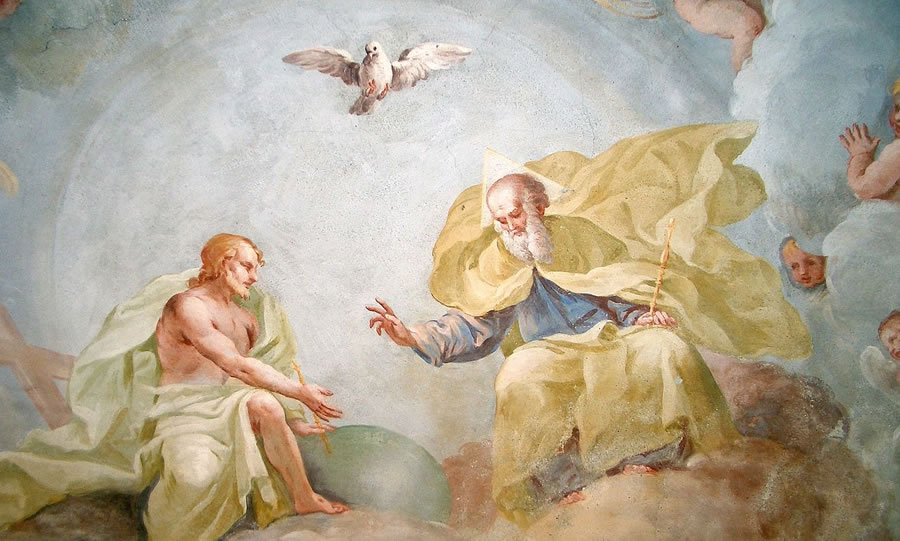
Most Holy Trinity - Ex 34:4b-6, 8-9; 2 Cor 13:11-13; Jn 3:16-18
05-29-2026Weekly ReflectionThe Faithful DiscipleGrow as a Disciple: Pray, Study, Engage, Serve
In today’s first reading, we hear how Moses, obedient to God’s command, ascends Mount Sinai early in the morning. Up at the summit, the Lord appears to Moses in a cloud and shares his name with Moses: “LORD” (in Hebrew, the tetragrammaton, the unspeakably holy divine name).
READ MORE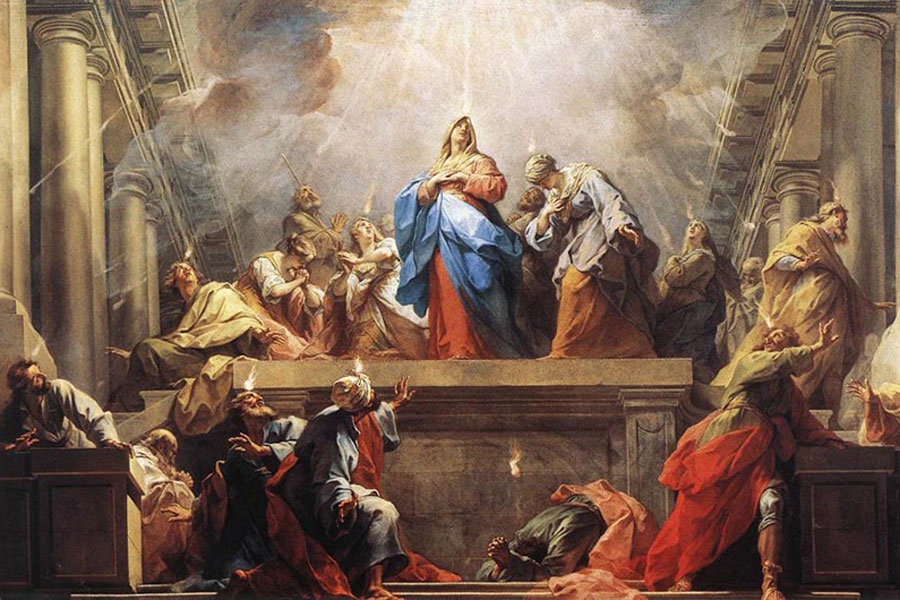
Pentecost - Acts 2:1-11; 1 Cor 12:3b-7, 12-13; Jn 20:19-23
05-22-2026Weekly ReflectionThe Faithful DiscipleGrow as a Disciple: Pray, Study, Engage, Serve
The Solemnity of Pentecost is about the gift of the Spirit in our lives. St. Paul reminds us that despite the variety of gifts we have received, we are one Body. To make sense of this, consider that on a human level, some of us are introverts, while others are extroverts. Each personality type has particular gifts and struggles. Sometimes, our differing personality types can grate on each other, causing tension.
READ MORE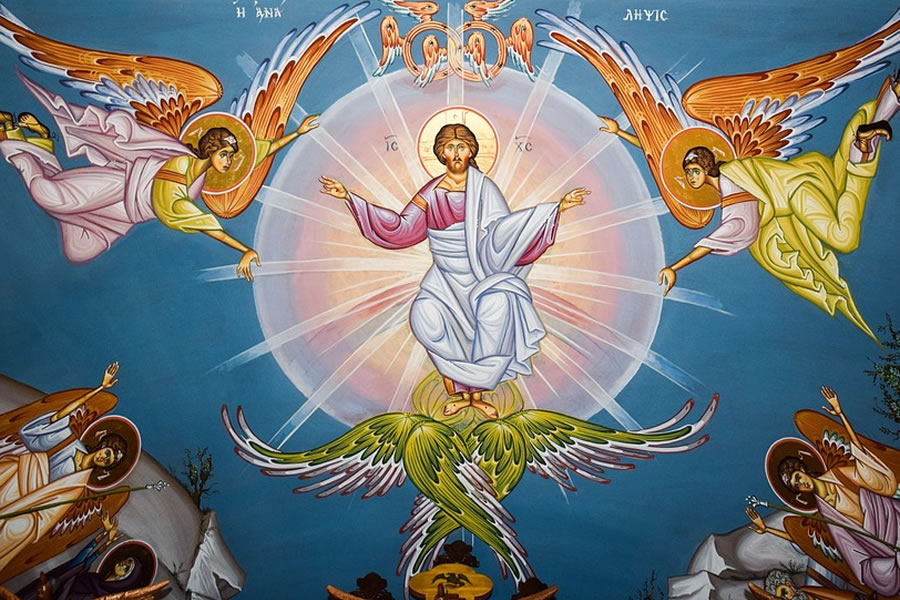
The Ascension of the Lord - Acts 1:1-11; Eph 1:17-23; Mt 28:16-20
05-15-2026Weekly ReflectionThe Faithful DiscipleThis year, I cannot help but notice how kingdom-centric the readings for the Solemnity of the Ascension are. In our first reading, Jesus appears to his disciples for forty days after his resurrection and speaks to them about the kingdom of God. Our psalm beckons us to rejoice that God is mounting his throne – another kingdom image! Our second reading tells us that God has given Christ authority over “every principality, power, and dominion” – a clear sign that he is the one reigning over all.
READ MORE
Sixth Sunday of Easter - Acts 8:5-8, 14-17; 1 Pt 3:15-18; Jn 14:15-21
05-08-2026Weekly ReflectionThe Faithful DiscipleSeveral years ago, while praying in the presence of the Blessed Sacrament, I heard the words, “I just couldn’t bear to leave you.” It was one of the clearest responses to prayer that I have experienced, and it occurred at a time when I was feeling incredibly lonely. I have spent years reflecting on those words, which resurface often as I receive Christ in the Eucharist. In the Gospel today, I hear echoes of those words again as Christ explains to the Apostles the many ways in which they – and we – will not be abandoned after his ascension into heaven.
READ MORE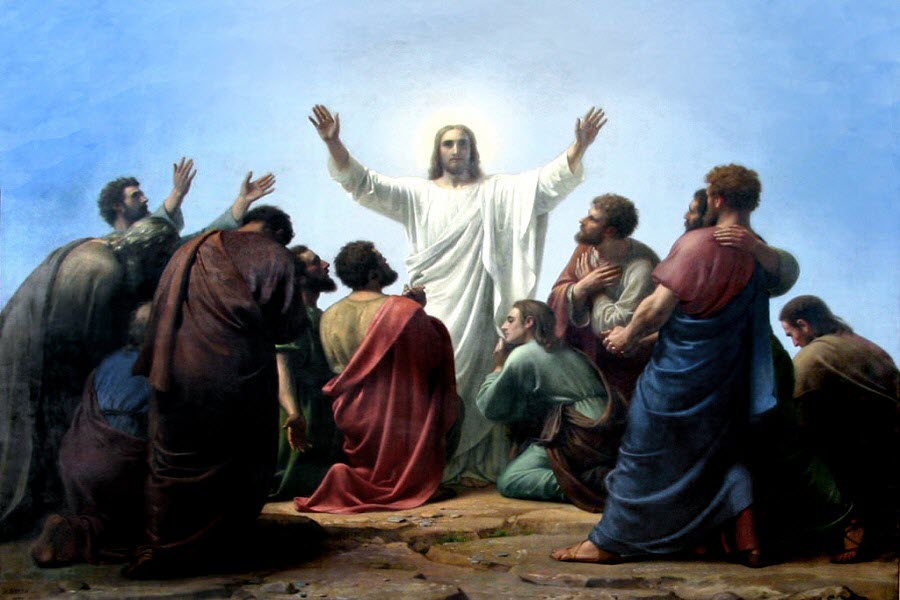
Fifth Sunday of Easter - Acts 6:1-7; 1 Pt 2:4-9; Jn 14:1-12
05-01-2026Weekly ReflectionThe Faithful DiscipleWhen the needs of ministry became overwhelming, the Apostles did not say they would sleep less or pray less in order to have more time to serve others. Instead, they appointed leaders from the community to help so they could continue to devote themselves to prayer and preaching. This reminds me of a story I read about Saint Teresa of Calcutta, in which the sisters of the Missionaries of Charity asked to be excused from the mandatory daily Holy Hour because the needs of the poor were so overwhelming.
READ MORE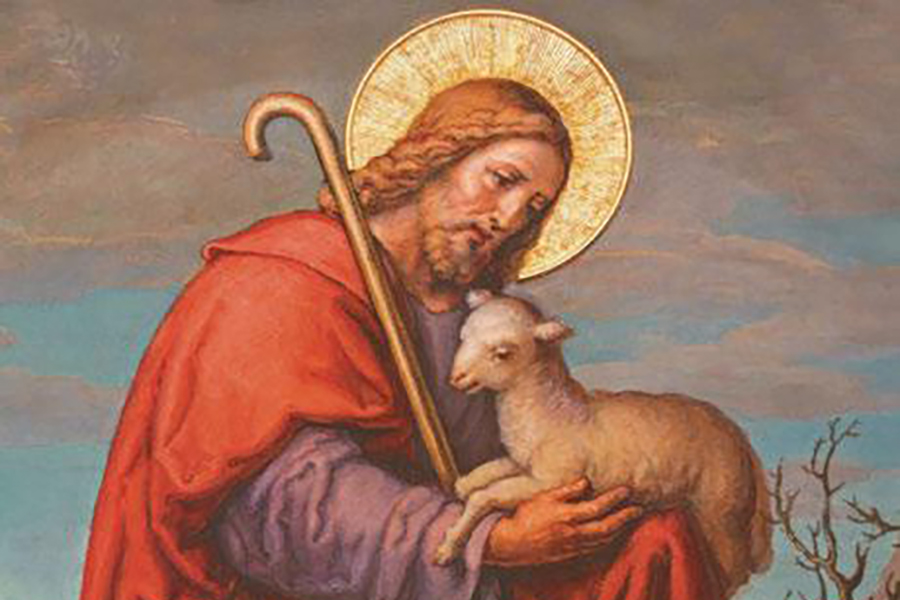
Fourth Sunday of Easter - Acts 2:14a, 36-41; 1 Pt 2:20b-25; Jn 10:1-10
04-26-2026Weekly ReflectionThe Faithful DiscipleToday’s readings invite us to reflect on our willingness to hear the voice of the Lord, especially when he speaks a word that will convict our hearts. In the first reading, Peter stands up and proclaims Christ crucified and risen, and some three thousand people who heard this were “cut to the heart” and were baptized. Peter’s message was not an easy one to hear; he was, in part, reminding them that they had put Jesus to death. But something about Peter’s words made it clear that he was speaking the truth. And they repented.
READ MORE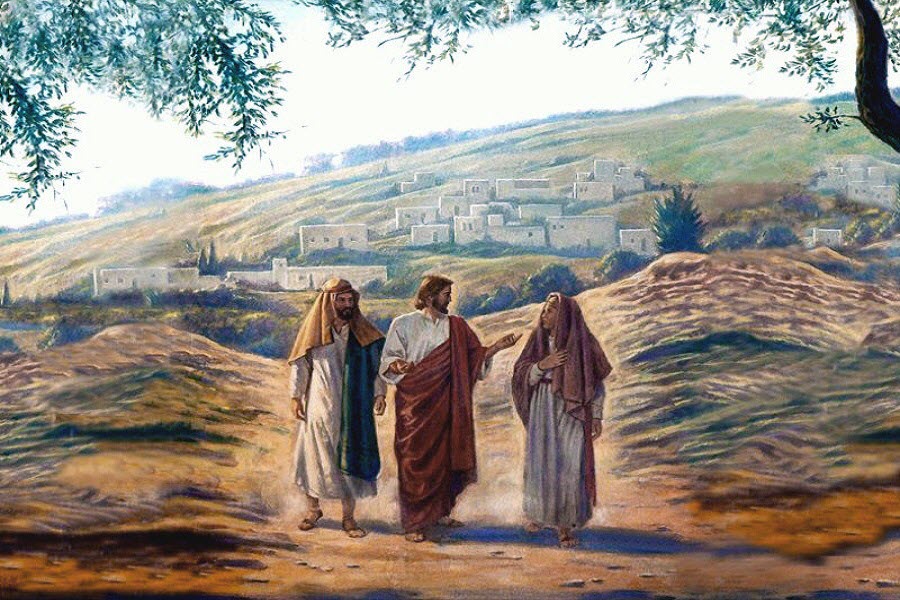
Third Sunday of Easter - Acts 2:14, 22-33; 1 Pt 1:17-21; Lk 24:13-35
04-19-2026Weekly ReflectionThe Faithful DiscipleIf I lived at the time of Christ and caught Jesus’ eyes while passing him in the streets, would I recognize him as the Messiah? You and I are made in the image and likeness of God. We are the adopted children of the Father. Would my soul be drawn to Christ as two magnets are drawn to one another? I believe that when we are in full and perfect communion with Christ, our entire being will be drawn to the Lord and instinctively rejoice in the glory of God. But on this earth – a world broken by sin – our eyes are clouded and we do not see clearly.
READ MORE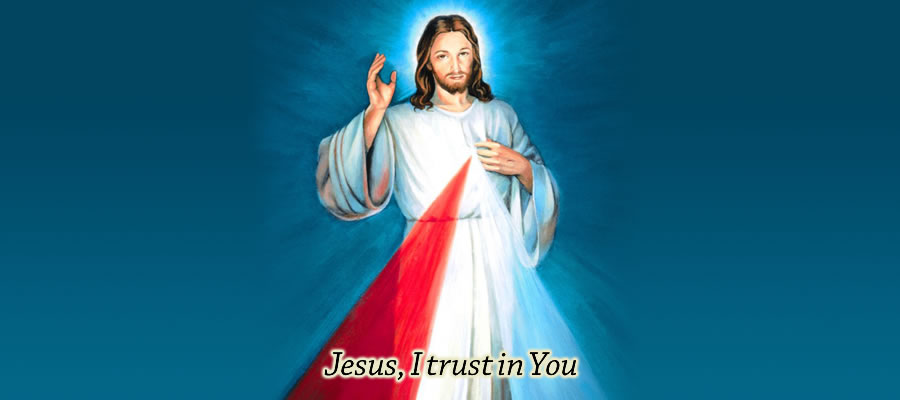
Second Sunday of Easter, Sunday of Divine Mercy - Acts 2:42-47; 1 Pt 1:3-9; Jn 20:19-31
04-12-2026Weekly ReflectionThe Faithful DiscipleCan you imagine being Thomas and finding out that while you were gone from the Upper Room, the resurrected Jesus appeared to the other disciples? And then, according to the evangelist John, it was a full week later when Jesus returns to that room. If I were Thomas, I would probably be consumed with thoughts about how unfair the situation was – that I was being asked to believe without seeing while the other disciples were able to see the glorified Christ. And, of course, we don’t know how Thomas reacted, except that he demanded to see and touch the wounds of Christ.
READ MORE
The Resurrection of the Lord - Acts 10:34a, 37-43; Col 3:1-4; Jn 20:1-9
04-05-2026Weekly ReflectionThe Faithful DiscipleToday we celebrate the Lord’s resurrection, the pinnacle of the Church’s entire liturgical year. As disciples, we know that Christ’s resurrection is not something that happened to him alone; his resurrection offers us the promise that all who believe in him will one day rise with him. But the new life Christ promises is not something we have to wait for the next life to experience! Everything we have been doing throughout Lent to prepare for today’s celebration also gives us a foretaste of the fullness of life we will share with him at our own resurrection.
READ MORE
Palm Sunday of the Lord’s Passion - Mt 21:1-11; Is 50:4-7; Phil 2:6-11; Mt 26:14—27:66
03-29-2026Weekly ReflectionThe Faithful DiscipleGROW: Pay attention to the prominence of Scripture in today’s Mass. At Masses where there’s a Procession or the Solemn Entrance, we’ll hear the Gospel reading proclaiming Jesus’ triumphal entry into Jerusalem. During our regular Liturgy of the Word, we’ll also read through the lengthy account of Christ’s passion (this year, from the Gospel of Matthew). Following the reading of the passion a brief homily may be given, but there may also be a period of silence rather than a homily.
READ MORE
5th Sunday of Lent
03-22-2026Weekly ReflectionThe Faithful DiscipleGROW: The raising of Lazarus marks an irreversible turning point in Jesus’ ministry. It’s impossible to publicly raise someone from the dead and continue to fly beneath the radar. It’s no surprise that the next time we meet Jesus, he’ll be greeted with Hosannas and palm branches as the promised Son of David. But we also know that by raising Lazarus, Jesus attracts the attention of his enemies and sets himself on a course that ultimately leads to the cross. In our own life of discipleship, there may be times when we will have to step up and make a decisive and public choice for our faith or our values.
READ MORE
Fourth Sunday of Lent - 1 Sm 16:1b 6-7, 10-13a; Eph 5:8-14; Jn 9:1-41
03-15-2026Weekly ReflectionThe Faithful DiscipleGROW: There has been much commentary over the centuries about Jesus’ use of saliva and mud to heal the man born blind. One of the most profound interpretations I have read reminds us that in Genesis, God made man out of “the dust of the ground.” (Gen 2:7) Jesus’ use of mud in the Gospel suggests that he is re-creating the blind man before him. The man receives a whole new life, such that even those who see him after his healing question whether he is the same person as before:
READ MORE
Third Sunday of Lent - Ex 17:3-7; Rom 5:1-2, 5-8; Jn 4:5-42
03-08-2026Weekly ReflectionThe Faithful DiscipleGROW: As the Israelites wandered in the desert, Moses heard their cries and recognized their deeper need, not simply for water, but for hope. And so Moses calls upon the Lord, who gives them water in the desert, revealing his trustworthiness. In the big and little ways that we ask the same question – “Is the Lord in our midst or not?” – our loving and generous Father reminds us that he has not abandoned us and that his goodness will ultimately prevail.
READ MORE
Second Sunday of Lent - Gen 12:1-4a; 2 Tim 1:8b-10; Mt 17:1-9
03-01-2026Weekly ReflectionThe Faithful DiscipleGROW: What struck me when I first read this passage from the Book of Genesis, in which the Lord speaks to Abraham, is God’s proclamation that it is through his will and his work that the blessings and goodness of Abraham’s future will come about. It is not a vague statement, in which the subject is omitted. God clearly says, “I will make your name great.” Abraham was a faithful servant of God and sought to obey God’s will, but that is not what made his name memorable. It is due to God’s will and generosity that Abraham’s blessings came about.
READ MORE